The Modern Man's Blueprint: Hormones, Peptides, and Next-Generation Wellness Technology
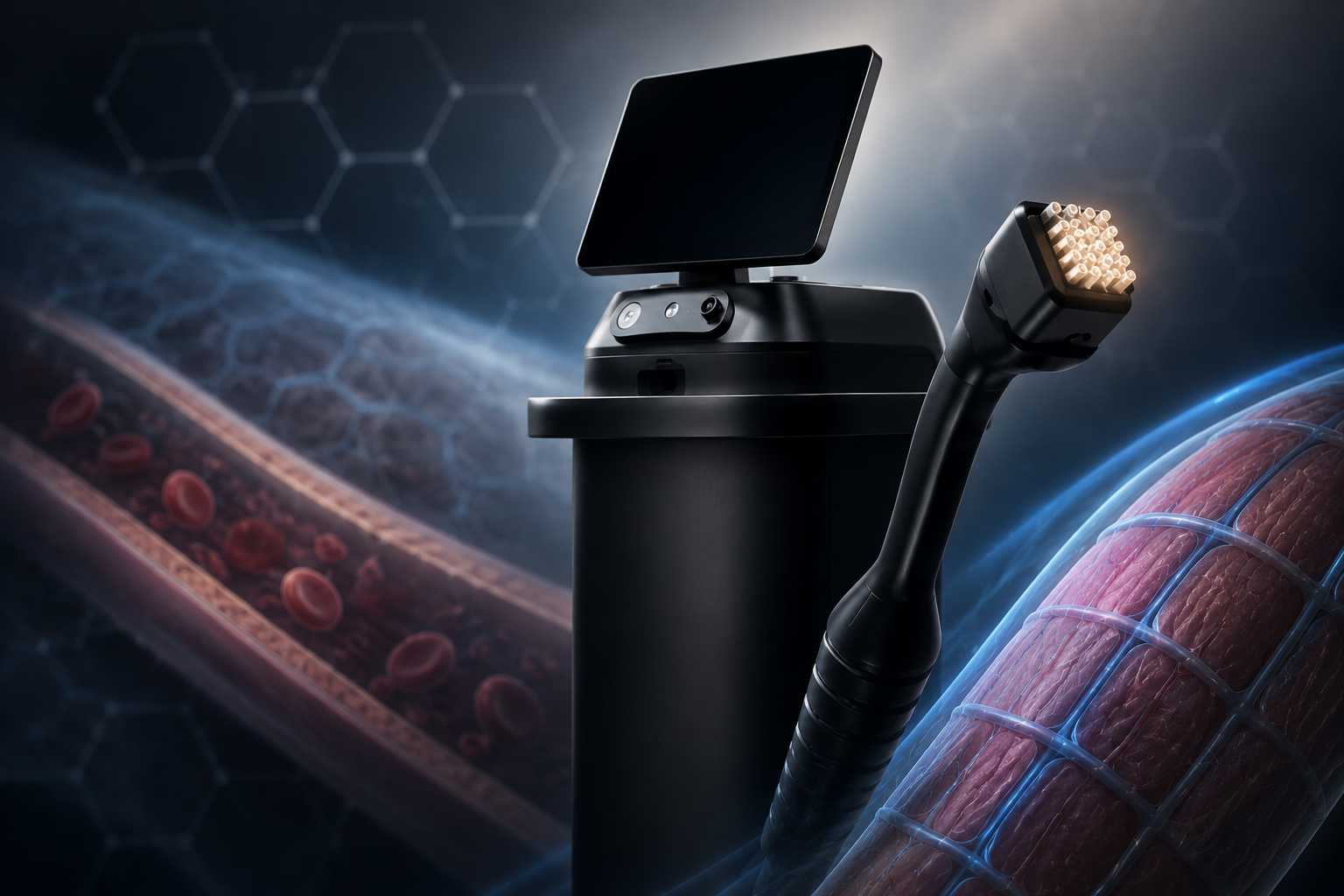
June is Men's Health Month, and it's the perfect moment for the men in our community to step back and ask a more demanding question than "Am I sick?" The better question is: "Am I optimized?" Energy, strength, body composition, sexual function, cardiovascular resilience, and mental sharpness are not separate buckets — they share common biological roots. When we address those roots intelligently, every system improves together.
At Aspire Aesthetics and Wellness, our men's wellness program is built around that reality. Below is a tour of the most important tools in the modern optimization toolkit — what the science actually says, what the FDA currently allows, and how we bring it all together for our patients.
Testosterone Optimization: The Foundation — and What TRAVERSE Changed
Low testosterone is one of the most under-recognized drivers of fatigue, loss of muscle mass, weight gain, low libido, brain fog, and depressed mood in men over 40. For years, however, many primary care physicians hesitated to treat hypogonadism because of an old, lingering concern: does testosterone replacement therapy (TRT) increase heart attacks and strokes?
The TRAVERSE trial answered that question definitively.
Published in the New England Journal of Medicine in 2023, TRAVERSE was the largest randomized cardiovascular safety trial of TRT ever conducted — 5,246 middle-aged and older men with diagnosed hypogonadism and either established cardiovascular disease or multiple cardiac risk factors, randomized to transdermal testosterone or placebo and followed for a mean of approximately 33 months (Lincoff et al., NEJM 2023).
The primary composite endpoint of cardiovascular death, nonfatal myocardial infarction, and nonfatal stroke (MACE) occurred in 7.0% of the testosterone group versus 7.3% of the placebo group, with a hazard ratio of 0.96 — meeting the pre-specified non-inferiority criterion with statistical confidence (Lincoff et al., NEJM 2023). In plain English: in the men most likely to be harmed by TRT — those with existing heart disease or high cardiovascular risk — properly monitored testosterone therapy did not raise the rate of heart attack, stroke, or cardiovascular death (TRT FAQ summary of TRAVERSE).
TRAVERSE did identify modest numerical increases in pulmonary embolism, atrial fibrillation, and acute kidney injury in the testosterone arm, which is exactly why responsible TRT belongs in the hands of a physician who screens carefully, monitors lab work, and individualizes therapy (Lincoff et al., NEJM 2023). It is not a "set it and forget it" prescription — but for the appropriately selected hypogonadal man, the cardiovascular safety story is now reassuring in a way it simply was not a decade ago.
That has changed the conversation in my practice. We can now restore healthy testosterone levels — and with them, energy, lean mass, motivation, and libido — without the cardiovascular cloud that used to hang over the discussion.
GLP-1 Therapy: A Revolution in Metabolic Health for Men
If TRT is the foundation of male hormonal optimization, the GLP-1 receptor agonists — semaglutide and tirzepatide — are the metabolic engine of modern weight and cardiometabolic care. They are not "just" weight-loss drugs. They are cardiometabolic agents that happen to produce dramatic weight loss as a byproduct.
The cardiovascular signal is now consistent across multiple major trials. Semaglutide currently carries the most mature cardiovascular outcomes evidence, with reductions in major adverse cardiovascular events demonstrated in the SUSTAIN-6, PIONEER-6, and SELECT programs (PubMed narrative review, 2026). In the SUMMIT trial of patients with obesity-related HFpEF, tirzepatide reduced the composite of cardiovascular death or worsening heart failure with a hazard ratio of 0.62 (95% CI 0.41–0.95), while delivering roughly 12–15% weight loss and meaningful improvements in exercise capacity and quality of life (Tirzepatide and Cardiovascular Outcomes review, PMC 2026). Pooled analyses of the STEP trials show similarly large reductions in heart failure hospitalization with semaglutide (Cardiovascular Endocrinology & Metabolism, 2025).
For men, this matters because abdominal adiposity is the metabolic engine of low testosterone, erectile dysfunction, sleep apnea, insulin resistance, and cardiovascular disease all at once. When we use a GLP-1 strategically — at an individualized dose, with attention to lean-mass preservation, protein intake, and resistance training — we are not just shrinking the number on the scale. We are improving blood pressure, lipids, glycemic control, sleep, joint pain, and often endogenous testosterone production simultaneously.
Sermorelin: A Quietly Powerful, FDA-Compliant Peptide Option
Among peptides, sermorelin remains one of the most clinically useful and most accessible. Sermorelin is a 29-amino-acid analog of growth hormone–releasing hormone (GHRH) that prompts the pituitary to produce more of the body's own natural growth hormone — rather than replacing it from the outside (PeptideDeck clinical overview).
Reported benefits in adult men include improvements in sleep architecture (often the first noticeable change, within 2–4 weeks), gradual gains in lean muscle, reductions in visceral abdominal fat, faster post-exercise recovery, better skin quality, and improved daily energy and cognitive sharpness (Apex Blood Labs clinical summary). Because sermorelin works with the pituitary's natural pulsatile rhythm and does not suppress endogenous GH production, it is a more physiologic strategy than direct recombinant HGH and, importantly, remains legal in the United States by prescription through appropriate channels (Peptide Maven legal overview, 2025).
For the man who has already addressed his testosterone, dialed in his nutrition, and wants the next layer of body-composition and recovery support, sermorelin is often where we go next.
Emerging Peptides: Genuine Promise Within Evolving Regulation
The peptide conversation has gotten loud online — and not all of it is accurate. As a physician, my role is to identify where the science is genuinely encouraging, where the human data is still maturing, and how to operate responsibly within the current regulatory framework.
BPC-157 is the peptide patients ask about most, and for good reason. Derived from a protective sequence originally identified in human gastric juice, BPC-157 has accumulated three decades of preclinical evidence showing accelerated healing across tendon, ligament, muscle, bone, and gastrointestinal tissues, with mechanisms now mapped through VEGFR2-mediated angiogenesis, nitric-oxide signaling, and a favorable shift in macrophage activity from pro-inflammatory toward reparative phenotypes (Current Reviews in Musculoskeletal Medicine narrative review, 2025).
Importantly, BPC-157 has been studied in humans — more than the headlines often suggest. The Croatian pharmaceutical company Pliva advanced BPC-157 (as PL-14736) through a formal pharmaceutical development program. A placebo-controlled Phase I trial in 32 healthy volunteers established safety with no significant adverse effects, and a multicenter, randomized, double-blind, placebo-controlled Phase II trial in 53 patients with mild-to-moderate ulcerative colitis (Ruenzi et al.) reported a statistically significant reduction in Disease Activity Index, decreased stool frequency, improved histopathology, and a safety profile comparable to placebo (Healthy Living Benefits clinical and regulatory summary, 2026). More recent published human work includes a retrospective series in which 14 of 16 patients receiving intra-articular BPC-157 knee injections reported significant pain relief, a pilot study in which intravesicular BPC-157 produced 80–100% resolution of moderate-to-severe interstitial cystitis at 6 weeks, and a 2025 IV pharmacokinetic and safety pilot reporting good tolerability with no clinically meaningful changes in cardiac, hepatic, renal, thyroid, or metabolic markers (Current Reviews in Musculoskeletal Medicine, 2025). A 2025 study by OvationLab in 101 adults with moderate-to-severe chronic pain reported improvements in pain intensity, pain interference, and quality of life after one month of oral BPC-157, with the appropriate caveat that it was an open-label patient-reported outcome study without a placebo arm (OvationLab / NDNR clinical announcement, 2025).
The honest summary is that BPC-157 sits in an unusual place: a peptide with one of the deepest preclinical evidence bases in regenerative medicine, supported by multiple small but real human studies pointing in a consistent direction, yet still awaiting the large, modern, peer-reviewed Phase III data that would make its clinical role definitive. Encouragingly, the regulatory landscape is shifting. On April 16, 2026, the FDA placed BPC-157 on the public docket for its July 23–24, 2026 Pharmacy Compounding Advisory Committee meeting, with a proposed indication of ulcerative colitis — a meaningful step back toward a defined clinical pathway (Healthy Living Benefits FDA docket summary, 2026). Until that pathway is fully reopened, BPC-157 and related peptides such as CJC-1295, ipamorelin, thymosin alpha-1, and TB-500 remain subject to current FDA compounding restrictions (Safe Harbor Group regulatory summary).
The practical takeaway for patients is balanced: BPC-157 is a genuinely interesting molecule, and the human data — while still maturing — is more substantive than internet skeptics tend to acknowledge. At the same time, peptides purchased online as "research chemicals" sit entirely outside the FDA-regulated supply chain, with no assurance of purity, sterility, dose accuracy, or even peptide identity. The responsible path forward is to follow the evolving regulatory pathway closely, prioritize peptides like sermorelin that are clearly compliant today, and have an honest, physician-led conversation about emerging options as new clinical data and new FDA guidance arrive.
APEX RF by InMode: Bringing Men's Sexual Health Into the 21st Century
Hormones and peptides handle the systemic side of male optimization. But sexual function — particularly erectile function — also depends on local vascular health, tissue quality, and pelvic-floor strength. That is where the new APEX RF platform by InMode changes the conversation.
APEX RF is InMode's first dedicated men's wellness platform, designed specifically to address male intimate health and circulatory wellness non-invasively (InMode ApexRF platform page). Using bipolar radiofrequency with precise thermal control, the device improves local circulation and supports sexual function — including in men with erectile dysfunction associated with vascular insufficiency — in comfortable, in-office treatments with no surgery, no pharmaceuticals, and no downtime (InMode Apex Circulatory overview). This matters at scale: 52% of men between 40 and 70 experience some form of ED, and that number climbs to roughly 70% in men 70 and older (Dr. Maningas / InMode clinical introduction).
What makes APEX particularly powerful is that the same platform includes TONE — InMode's electrical muscle stimulation (EMS) technology. TONE delivers thousands of supramaximal muscle contractions per session to strengthen and tone targeted muscle groups, including the core, glutes, thighs, and pelvic floor, with each 30-minute session delivering the equivalent of thousands of crunches or bridges (Apex / TONE clinical overview). For men, that pelvic-floor and core conditioning translates into improvements that ripple across daily life: better sexual function, better continence, better posture, better athletic performance, and stronger support for the lower back. TONE is also an ideal complement after GLP-1–driven weight loss, when restoring muscle tone and density is a clinical priority (Apex / TONE clinical overview).
Used together, APEX RF and TONE allow us to address male sexual wellness and core function with the same level of sophistication we have long applied to women's intimate health.
Bringing It All Together at Aspire Aesthetics and Wellness
The men who get the best results in our practice are rarely the ones chasing a single intervention. They are the ones who let us build a layered, individualized plan: identify and correct hormonal deficits, deploy GLP-1 therapy when metabolic health demands it, add peptides like sermorelin where they fit, and incorporate energy-based technologies like APEX RF and TONE to address the local and structural pieces that no pill or injection alone can solve.
Just as importantly, the men who get the best results work with a physician who knows what not to use — and who will be direct with them about what the human data does and does not support.
Each of the topics in this article — testosterone optimization, GLP-1 therapy, FDA-compliant peptide protocols, and APEX RF / TONE — can be addressed through a personalized physician consultation at Aspire Aesthetics and Wellness, under the direction of Dr. Kendall Wagner, a board-certified internal medicine physician with additional fellowship training in anti-aging and regenerative medicine.
If this is the year you stop tolerating "normal for your age" and start engineering "optimal for you," we would be honored to help you build the plan.
This article is for educational purposes and does not constitute individualized medical advice. Therapies discussed require evaluation, prescription, and ongoing monitoring by a qualified physician. Schedule a consultation with Dr. Wagner at Aspire Aesthetics and Wellness to determine which options are appropriate for you.
Care Guided by Dr. Kendall Wagner
If you're ready to move beyond generic solutions, a personalized, physician-guided approach can help optimize your health, performance, and long-term wellness.
Testosterone Optimization (TRT)
GLP-1 Weight Management
Men's Wellness & Sexual Health
APEX RF & TONE EMS
Peptide Therapy
Appointments with Dr. Wagner are available at
Aspire Medical Aesthetics & Wellness in Fort Smith, Arkansas.